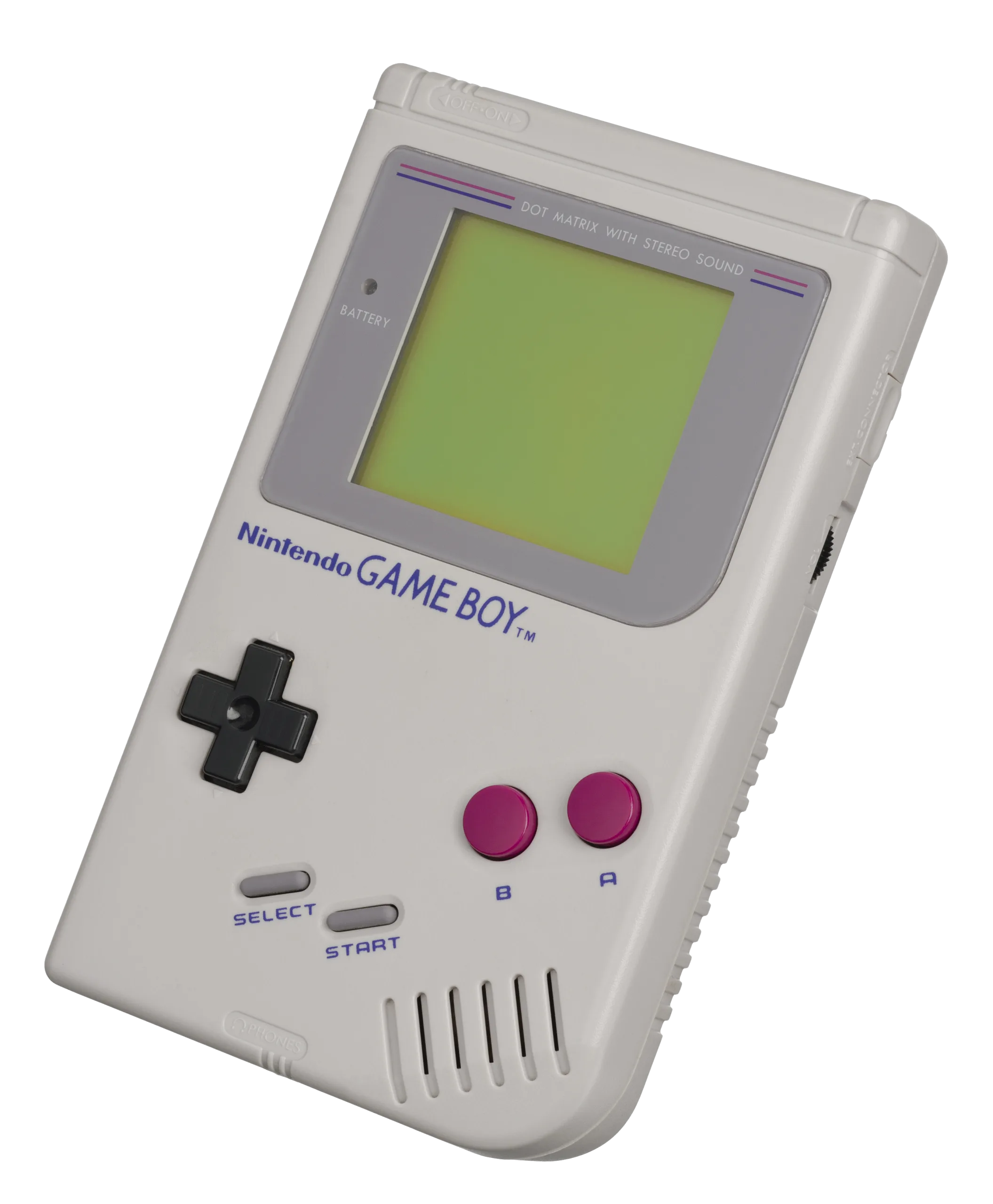
The Game Boy ran for roughly 30 hours on four AA batteries and did the one thing its rivals couldn't: it survived a car journey, a school bag and a toddler without a battery pack the size of a brick. Nintendo's engineers, led by Gunpei Yokoi, deliberately picked a slow four-shade STN screen and an 8-bit Sharp processor already a generation behind the competition, because both were cheap and sipped power.
Why it matters
Nintendo shipped 118.69 million Game Boy and Game Boy Color units combined over the platform's life, against the Atari Lynx and Sega Game Gear, both of which had sharper, backlit colour screens and both of which lost. Yokoi's philosophy, "lateral thinking with withered technology", meant using mature, well-understood parts cheaply rather than chasing a spec sheet, and it's the reason the console launched at $89.99 while its colour-screen rivals launched at nearly double that and ate through batteries in a few hours. The pack-in of Tetris in most Western markets sealed it: a puzzle game that worked as well on a bus as it did on a sofa sold hardware to people who had never owned a console before.
What to check before you buy
- Test the screen under a bright lamp before buying. Ghosting is normal, but dead pixel columns or blank strips usually mean a damaged ribbon cable.
- Check the battery contacts for corrosion; leaked AAs are the single most common cause of a "dead" unit that's actually just a corroded contact.
- Decide whether you want an original panel or a modern backlit/IPS replacement. The mod is common and well documented, and makes the screen far easier to use, but it changes the unit from original to modified.
- Listen for the volume wheel crackling and check the link cable port for bent pins if you plan to use accessories.
- Yellowing can be reversed with retrobrighting. It's purely cosmetic and won't affect how the machine works.